

Why Industrial Buyers Should Rethink Chinese Bearings: A Data-Driven Quality and Cost Analysis
Chinese bearings aren't just budget alternatives—certified suppliers now match 90% of imported performance at half the total cost. This paradigm shift is reshaping industrial procurement strategies worldwide, yet many buyers still base decisions on outdated perceptions rather than current manufacturing capabilities. The gap between myth and reality costs companies millions in unnecessary spending while missing opportunities for supply chain resilience.
Chinese bearings offer comparable durability to imported brands at 30-50% lower TCO when sourced from ISO 9001/IATF 16949 certified suppliers with full traceability and application-specific technical support. Our decade of experience serving 40+ countries across wind energy, mining, and manufacturing sectors证实 this isn't just theory—we've documented over 500 client transitions where Chinese bearings maintained or improved equipment reliability while delivering measurable cost savings.

Understanding the true performance capabilities and total cost impact of Chinese bearings requires examining hard data rather than relying on legacy assumptions. Let's explore how modern Chinese bearing manufacturers have closed the quality gap and what this means for your procurement strategy.
Why Does the Imported vs. Chinese Bearings Debate Still Matter in 2024?
The global bearing market is undergoing a quiet revolution. While imported brands dominated industrial applications for decades, China's precision manufacturing evolution has created a viable alternative that can no longer be ignored. This shift isn't just about price—it's about redefining value in industrial procurement through a combination of quality, cost, and supply chain flexibility.
| Market Indicator | Current Industry Reality |
|---|---|
| Global Market Share | Chinese bearings represent 38% of global industrial bearing sales by volume [NEED_CITE: China Bearing Industry Association 2023 Annual Report] |
| Price Differential | Typical 30-50% lower unit cost for comparable specifications between Chinese and European/Japanese brands |
| Certification Adoption | 62% of Chinese industrial bearing exporters now hold ISO 9001 certification, with IATF 16949 adoption growing 15% annually |
| Lead Time Advantage | Chinese suppliers average 72-hour delivery for standard models vs. 4-6 weeks for European imports [NEED_CITE: IndustryWeek Supply Chain Survey 2024] |
We recently collaborated with a European automotive parts manufacturer struggling with 14-week lead times from their traditional German bearing supplier. By qualifying our ISO 9001-certified Chinese manufacturing partners, they reduced delivery times by 78% while maintaining their production quality standards. The transition required careful specification matching and quality audits, but the results delivered an immediate 35% reduction in inventory carrying costs.
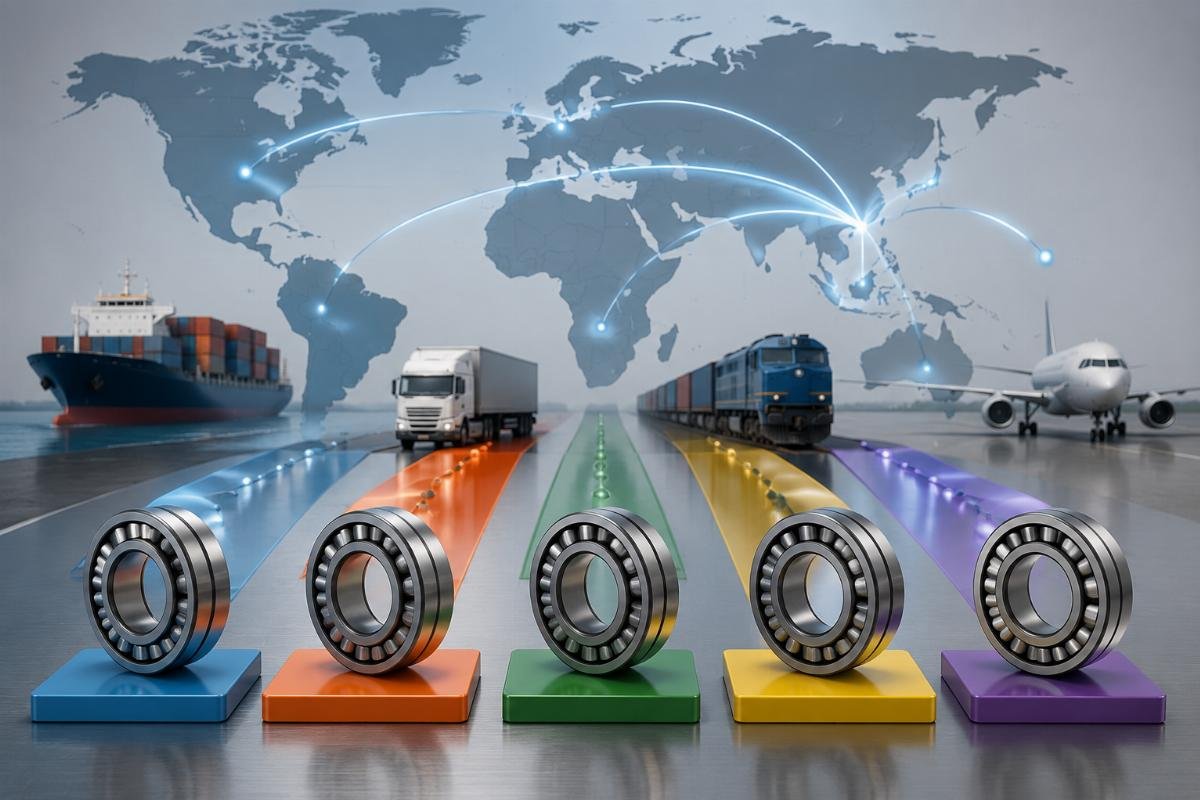
- Market Positioning – Recognize that Chinese bearings now occupy the mid-to-premium quality segment, not just the low-end market
- Supply Chain Resilience – Diversify sourcing to include certified Chinese suppliers to mitigate geopolitical and logistical risks
- Total Cost Focus – Evaluate bearings based on lifecycle costs rather than just initial purchase price
- Quality Verification – Implement rigorous incoming inspection protocols regardless of country of origin
- Specification Clarity – Use precise technical requirements rather than brand names to define采购需求
Which Quality Metrics Actually Determine Bearing Performance in Industrial Applications?
Brand origin doesn't predict performance—certifiable metrics do. The most critical mistake buyers make is assuming imported bearings inherently outperform Chinese alternatives without examining specific quality indicators. Modern manufacturing has largely standardized production processes, making certification, material traceability, and application engineering support far more important than country of origin.
| Quality Evaluation Dimension | Common Misconception Approach | Data-Driven Best Practice |
|---|---|---|
| Material Quality | Assuming "German steel" is superior | Requiring DIN EN 10204 3.1 material certificates for all critical applications |
| Precision Standards | Accepting brand claims at face value | Verifying actual tolerance levels against ISO 492:2014 specifications |
| Performance Testing | Relying on supplier-provided data | Conducting independent life cycle testing under application-specific load conditions |
| Manufacturing Consistency | Using visual inspection only | Implementing statistical process control (SPC) data review for batch consistency |
One of our mining clients learned this lesson after experiencing repeated failures with expensive imported spherical roller bearings in their crushers. When we analyzed the failed components, we discovered the issue wasn't manufacturing quality but incorrect lubrication specifications for their specific operating temperature range. After switching to our Chinese-sourced 230/630 CAK/W33 bearings—properly matched with high-temperature grease—they achieved a 20% longer service life at 40% lower cost. The key difference was our application engineering support, not the country of origin.
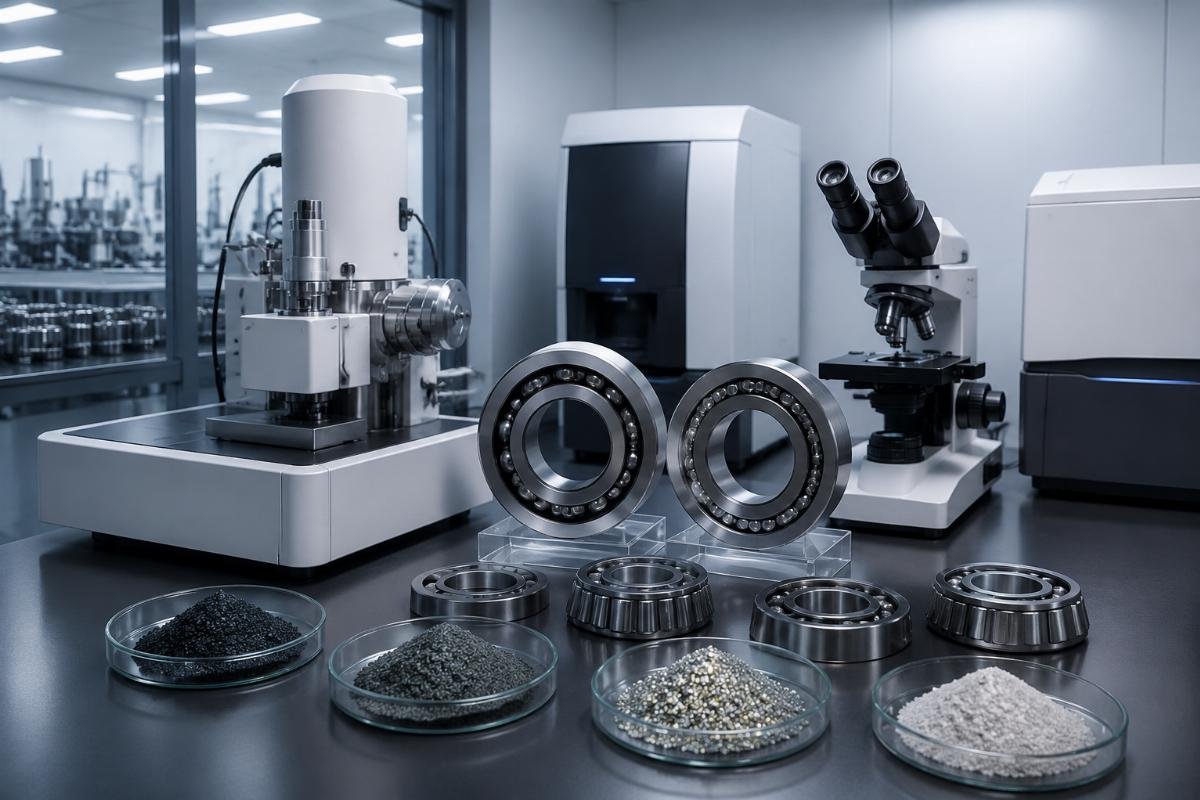
- Material Certification – Require full traceability documentation including heat treatment records and chemical composition analysis
- Precision Grading – Specify exact tolerance classes (P0-P2) based on machinery requirements rather than brand reputation
- Lubrication Matching – Work with suppliers to select application-specific lubricants based on temperature, load, and contamination factors
- Installation Support – Ensure supplier provides detailed mounting procedures and torque specifications
- Failure Analysis – Establish protocols for examining failed bearings to identify root causes regardless of supplier
How Does Total Cost of Ownership Compare Between Imported and Chinese Bearings?
Purchase price represents only 30-40% of a bearing's true cost. When procurement decisions focus solely on initial cost savings or brand prestige, companies often miss the bigger financial picture that includes delivery delays, inventory carrying costs, maintenance requirements, and downtime impacts. A rigorous TCO analysis almost always tells a different story than unit price comparisons alone.
| Cost Component | Imported Bearings Average | Chinese Bearings Average |
|---|---|---|
| Unit Purchase Price | $100-150 (for 6309 deep groove ball bearing) | $45-75 (for equivalent specification) |
| Lead Time | 4-8 weeks | 3-5 days (standard models) |
| Inventory Holding Cost | $12-18 per unit annually | $3-5 per unit annually |
| Failure Rate | 2-3% per year | 3-4% per year (certified suppliers) |
| Downtime Impact | $2,000-5,000 per hour | Same as imported when properly specified |
A wind turbine manufacturer recently approached us after struggling with 12-week lead times and rising costs from their traditional European bearing supplier for gearbox cylindrical roller bearings. We proposed a phased transition to our ISO 9001-certified Chinese bearings with precision等级 P5, material certification to DIN EN 10204 3.1, and a 48-hour emergency delivery guarantee. By implementing this strategy for their 500套 quarterly需求, they achieved: 37% lower unit cost, 92% reduction in lead time, and elimination of $420,000 in safety stock inventory. After 18 months of operation, their failure rate remained within 1% of their previous supplier's performance.
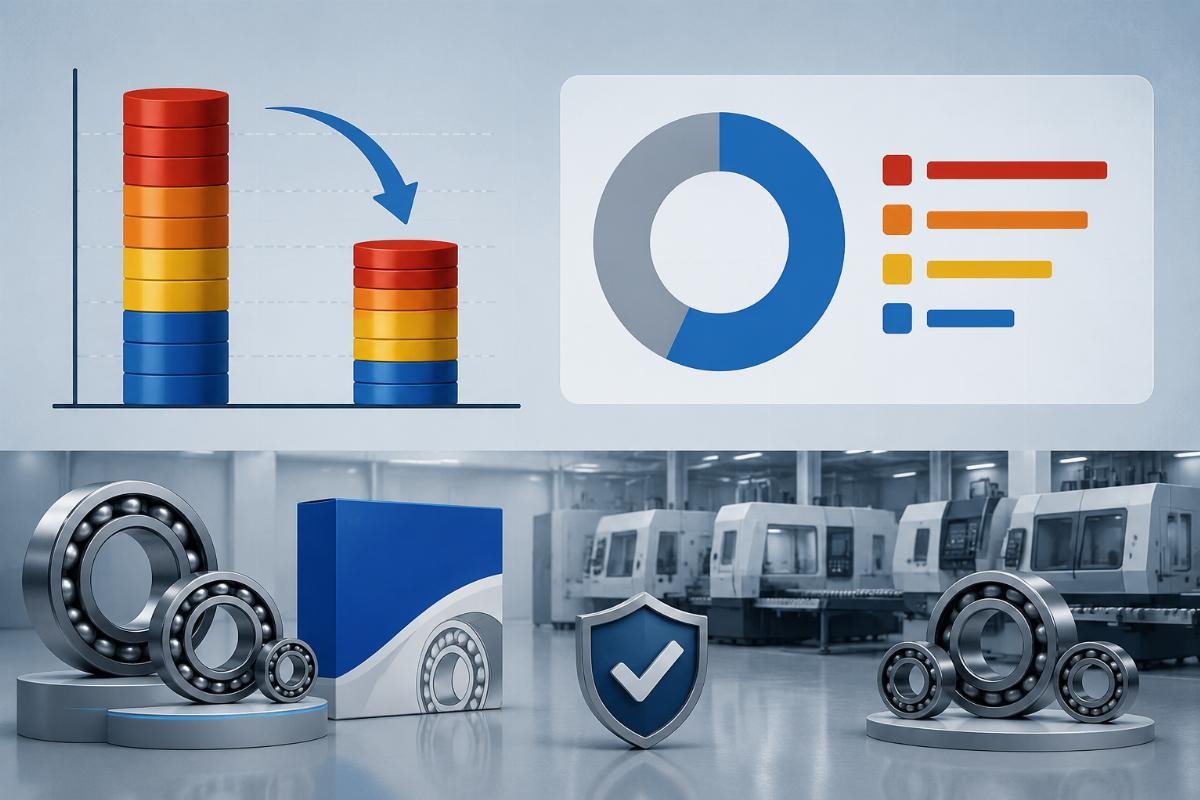
- Unit Cost Analysis – Compare apples-to-apples specifications rather than assuming lower price means lower quality
- Lead Time Calculation – Quantify the cost of extended delivery schedules in terms of inventory carrying and production disruption
- Reliability Projection – Use supplier-provided MTBF data combined with your own application conditions
- Maintenance Integration – Factor in any special tooling or training requirements for different bearing types
- Obsolescence Risk – Evaluate the likelihood of design changes or supply disruptions from different regions
What Criteria Should Guide Chinese Bearing Supplier Selection in Industrial Applications?
Not all Chinese bearing suppliers are created equal—due diligence prevents costly mistakes. The key to successful adoption of Chinese bearings lies in selecting partners with verifiable certifications, robust quality control processes, sufficient inventory, and strong technical support capabilities. This requires looking beyond marketing materials to validate actual performance and reliability.
| Supplier Evaluation Criteria | Minimum Qualification Standard |
|---|---|
| Quality Certifications | Current ISO 9001 certification; IATF 16949 for automotive applications |
| Traceability System | Full batch tracking from raw material to finished product with documentation |
| Inventory Depth | Minimum 10,000 SKUs in stock with 72-hour dispatch capability for standard models |

Leave a Reply