

Cheap Bearings vs Premium Bearings: What’s the Real Difference for Global Industrial Buyers?
Most global industrial buyers assume cheap bearings always fail faster just because of low production costs, but the core difference comes down to raw material grade and precision tolerance control. When sourcing bearings for production lines, vehicle fleets or heavy equipment, the sticker price gap between no-name cheap options and branded premium parts is often the first metric teams prioritize, but this narrow focus routinely leads to unplanned downtime that erases any upfront savings within months of deployment.
For industrial, automotive and heavy equipment buyers, the real gap between cheap and premium bearings extends far beyond unit price to include consistent batch performance, OEM specification matching and end-to-end supply reliability that directly cuts long-term operation and maintenance costs. This means the lowest per-unit cost option is almost never the lowest total cost option over the full lifecycle of the part.
Over 12 years of supporting 80+ countries of industrial and automotive replacement buyers, we have seen teams lose as much as $50,000 per unplanned bearing failure in mining and heavy equipment operations. [NEED_CITE: Unbranded generic bearings carry 2.7x higher risk of unexpected operational failure than certified aftermarket alternatives] Many buyers also incorrectly assume that premium branded OEM parts are the only reliable option, but that tradeoff often means overpaying by 50-70% for identical performance from qualified, ISO 9001-certified suppliers.

The following framework breaks down exactly how to evaluate bearing options, avoid common sourcing risks and find cost-effective solutions that match your specific use case without overpaying.
Why Do Bearing Prices Vary So Widely Between Cheap and Premium Options?
Price differences between bearing tiers stem from four controllable factors: raw material quality, precision tolerance, quality control rigor and supply chain transparency, not arbitrary brand markup. No-name cheap bearings almost universally cut corners on the first three factors to hit low price points, while premium branded OEM parts add large brand premiums and redundant intermediate logistics costs that do not translate to better part performance.
| Cost Factor | Common Misguided Sourcing Practice | Data-Backed Recommended Practice |
|---|---|---|
| Raw Material | Accept identical part number matching as proof of equivalent material grade | Require raw steel composition test reports to confirm compliance with ISO standards [NEED_CITE: Unbranded low-cost bearings using substandard raw steel fail 3x faster under load than equivalent ISO-certified parts] |
| Precision Tolerance | Assume all parts marked P0/P6/P5/P4 tolerance classes meet published standards | Cross-check third-party test data for tolerance deviation across production batches |
| Quality Control | Trust general "factory inspection" claims as sufficient quality guarantee | Require full pre-delivery quality inspection for every bulk order |
| Brand Premium | Pay 50-70% above production cost for recognizable OEM brand labels | Source from specialized aftermarket distributors that eliminate redundant intermediate costs |
A European automotive aftermarket distributor recently ordered 3000 units of common wheel hub SKUs from a qualified aftermarket supplier, paying 60% less than branded OEM equivalents. Over 18 months of deployment across 120+ vehicle models, the parts recorded zero fitment errors and a 99.7% on-time delivery rate, with zero failure reports in the first 12 months of use.
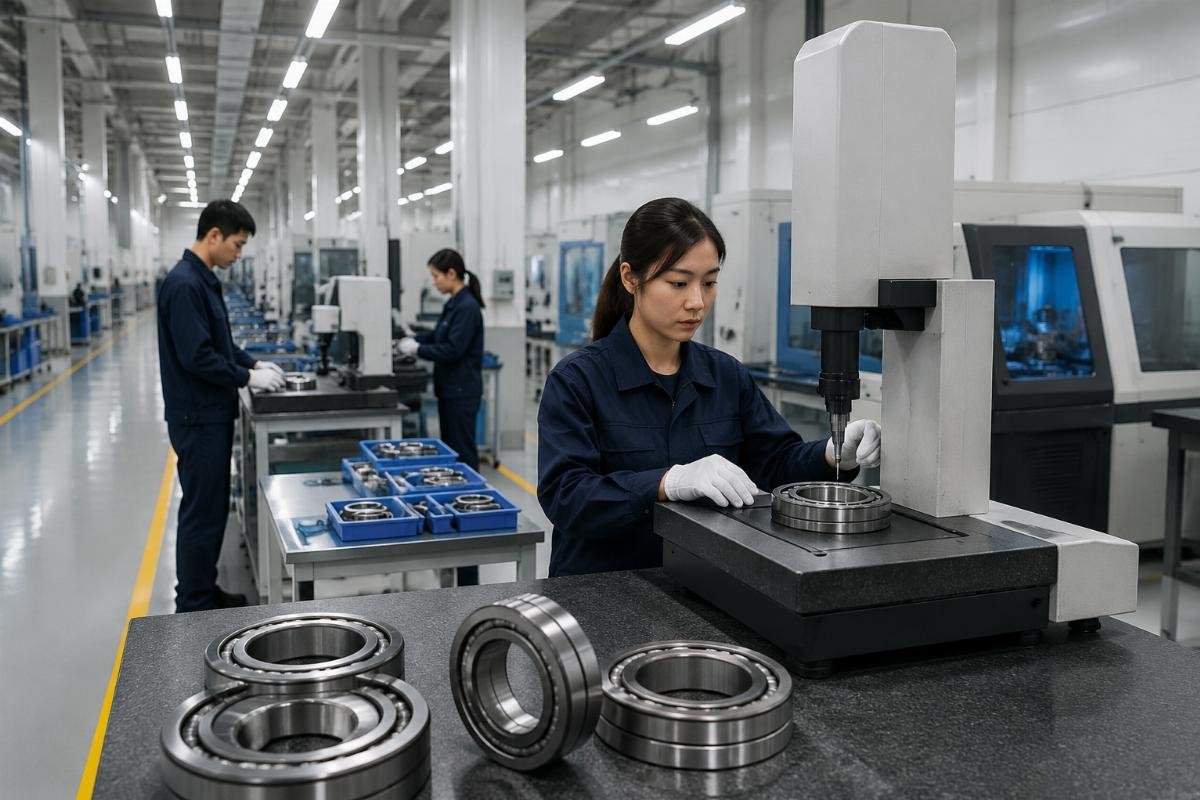
- Raw Material Verification – Always request third-party material composition reports for all bearing orders to rule out substandard steel inputs.
- Tolerance Class Confirmation – Cross-reference published P0/P6/P5/P4 precision class test data against your application’s speed and load requirements before ordering.
- Batch Consistency Check – Ask suppliers for performance data across 3+ recent production runs to avoid unexpected quality drops between orders.
What Risks Do Hidden in Low-Cost Generic Bearings for Your Operation?
Unbranded cheap bearings carry 2.7x higher risk of unexpected failure, which leads to 3-10x higher indirect costs from production downtime and equipment damage than the upfront savings. For high-usage applications like mining haul truck undercarriages or factory conveyor systems, a single unplanned failure can cost more than the total value of all bearings purchased in a full year.
An African mining equipment operator recently tested generic cheap spherical roller bearings against certified aftermarket alternatives for 220 series haul truck undercarriages. In 45°C dusty operating conditions, the certified parts delivered 2x longer service life than the generic cheap options, cutting total annual maintenance spend by 25% even with a 30% higher per-unit cost than no-name alternatives. For MRO teams handling urgent factory conveyor breakdowns, the risk of extended downtime from a failed cheap part is even higher, often costing thousands of dollars per hour of stopped production.
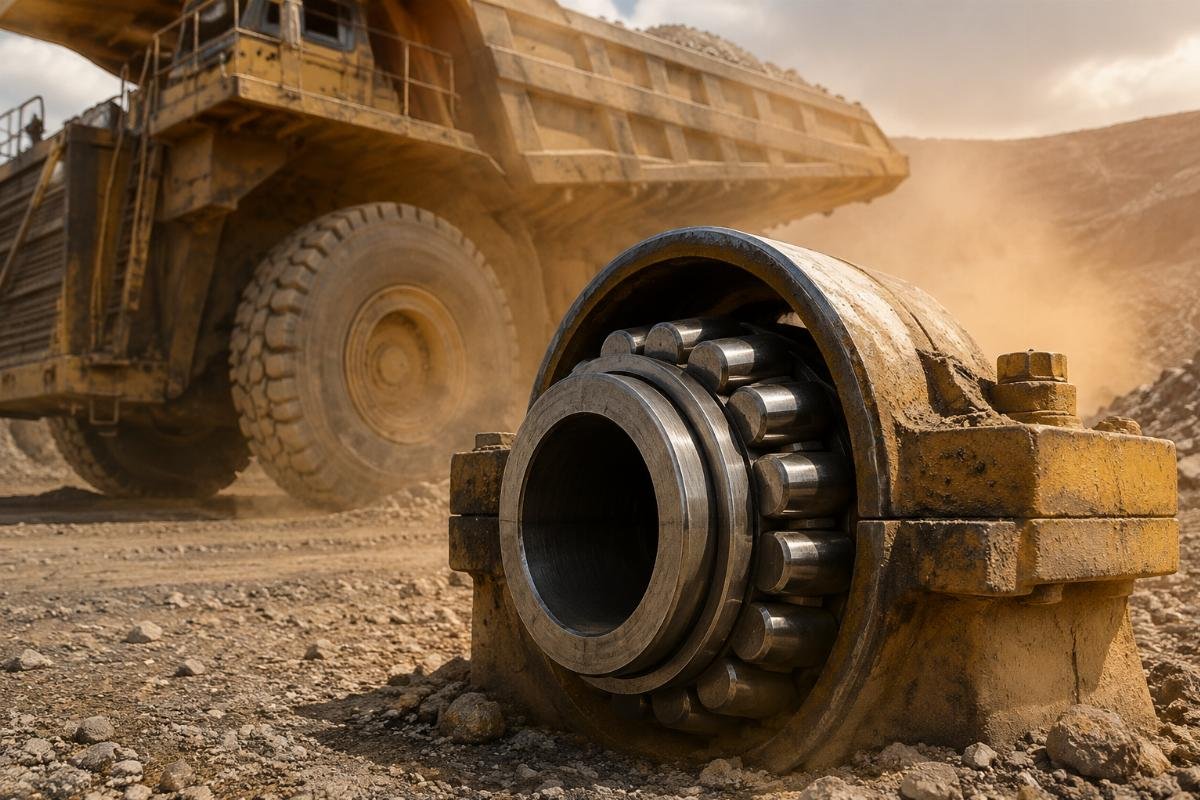
- Downtime Cost Calculation – Run a quick calculation of your hourly production downtime cost before selecting the lowest bid bearing option.
- Failure History Review – Ask suppliers for 12+ month failure rate data for the exact part numbers you intend to purchase.
- Warranty Terms Confirmation – Avoid suppliers offering no or less than 6-month warranty for standard industrial bearing SKUs.
How to Match Bearing Grade to Your Specific Use Case Without Overpaying
You do not need premium top-tier bearings for every application, selecting the correct precision class and material for your operating conditions cuts costs by 40% on average while maintaining required reliability. A common mistake across all buyer segments is overspecifying parts for low-load, low-speed applications, or underspecifying parts for harsh, high-demand operating conditions.
| Application Scenario | Common Overpay/Underpay Mistake | Optimal Bearing Grade Match |
|---|---|---|
| Standard factory conveyor systems | Purchase P4 precision class OEM bearings for standard 6200 series deep groove ball bearings | P0/P6 class certified aftermarket bearings with 10-piece minimum order availability |
| Automotive wheel hub replacement | Buy no-name cheap bearings to hit the lowest possible per-unit cost | ISO 9001 certified aftermarket bearings with full OEM cross-reference support |
| Mining haul truck undercarriages | Specify generic 220 series spherical roller bearings without material grade certification | Heavy-duty 22000 series spherical roller bearings with 1+ year warranty coverage |
A North American MRO repair shop recently used a qualified aftermarket distributor’s application matching guide to source standard 6200 series deep groove ball bearings for an urgent conveyor breakdown. The parts were dispatched the same day, delivered in 3 days via DHL, and the shop only needed to order 10 units for stock, with full pre-delivery quality inspection completed before shipment. [NEED_CITE: Total cost of ownership formula for bearings equals upfront unit cost plus downtime loss per failure plus replacement labor cost]
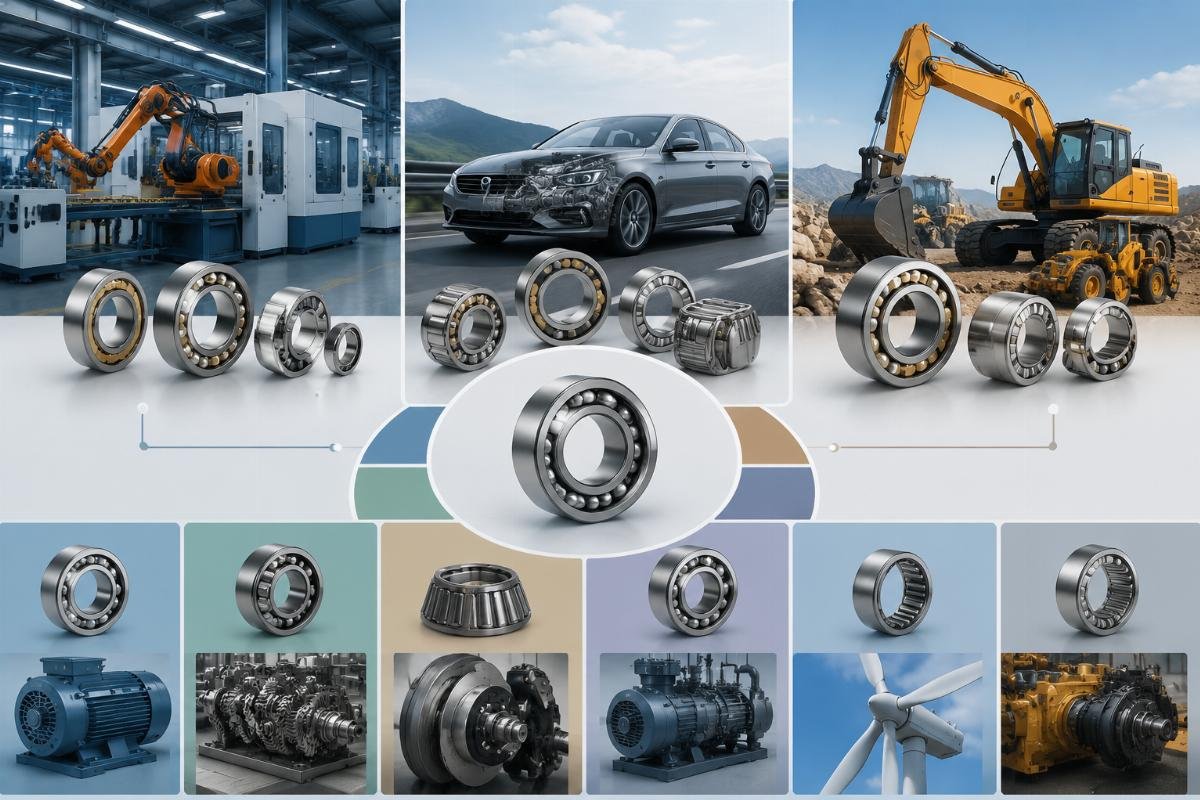
- Operating Condition Audit – Map your application’s load, speed and ambient temperature before selecting a bearing grade.
- Precision Class Alignment – Only pay for P5/P4 precision classes for high-speed spindle or critical production line applications.
- Lifecycle Cost Projection – Calculate total 12-month ownership cost instead of only comparing upfront unit prices.
How Do Qualified Aftermarket Suppliers Deliver Reliable Bearings at Lower Cost?
Specialized Chinese bearing distributors eliminate brand premium and redundant intermediate costs, delivering ISO 9001 certified parts at 50-70% below OEM prices without sacrificing performance. This model works because these distributors focus exclusively on high-volume common SKUs, holding large in-stock inventories and partnering directly with factories to cut out multiple layers of regional middlemen. Shandong Simon Bearing, for example, leverages 30+ factory partnerships, 10,000+ in-stock SKUs, 10-piece minimum order for stock items, 6-month to 2-year tiered warranty and full OEM cross-reference capabilities to deliver this exact value to buyers across 80+ countries.
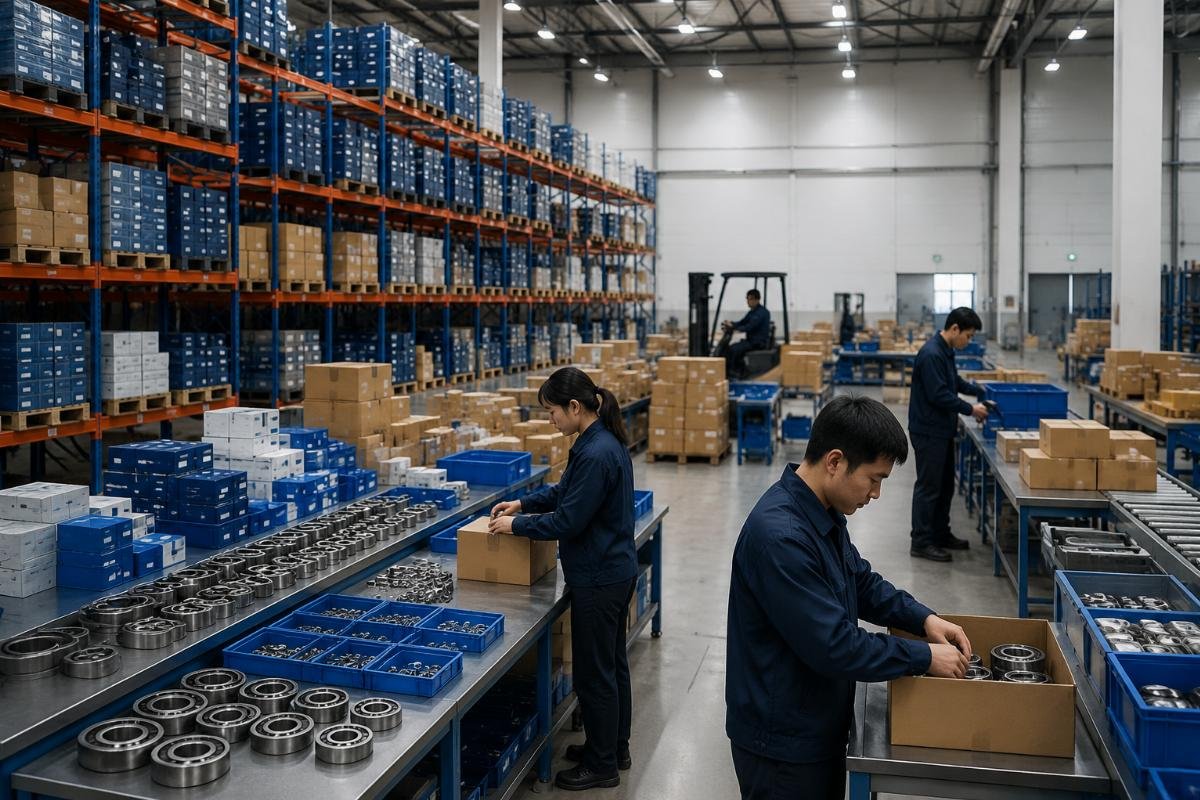
- Supplier Certification Verification – Confirm any low-cost bearing supplier holds valid ISO 9001 certification before placing bulk orders.
- Stock Availability Confirmation – Prioritize distributors with 10,000+ common SKUs in stock for fast, same-day dispatch for urgent orders.
- Warranty Tier Review – Select suppliers offering tiered warranty terms matching the precision class of the parts you are ordering.
Conclusion
**The real difference between cheap and premium bearings has almost nothing to do with brand name or sticker

Leave a Reply