

How to Source Heavy Duty Tapered Truck and Bus Wheel Bearings: A Guide for Global Buyers
You do not need to pay 2–3x the cost for branded OEM bearings to meet heavy-duty load requirements for truck and bus wheel applications. For decades, global procurement teams have operated under the assumption that only recognizable international brand parts can withstand the high-stress, high-wear conditions of commercial vehicle operations, but this long-held belief often leads to unnecessary budget waste without corresponding performance gains.
Choosing a specialized China-based one-stop bearing supplier with cross-reference capabilities for top OEM brands and tiered MOQ options cuts procurement costs by 50–70% while ensuring 3–7 day urgent delivery and multi-grade quality assurance.
As someone who has supported hundreds of global bearing buyers across 80+ markets over the past 12 years, I have seen teams waste months on manual part number matching and overpay for parts that deliver identical functional performance. [NEED_CITE: ISO 9001 certified Chinese tapered bearing suppliers deliver equivalent load capacity to leading OEM brands at 50–70% lower cost] The biggest pain point I consistently hear from buyers is the tradeoff between low pricing, reliable lead times, and consistent quality, which most supply chains force them to choose between.
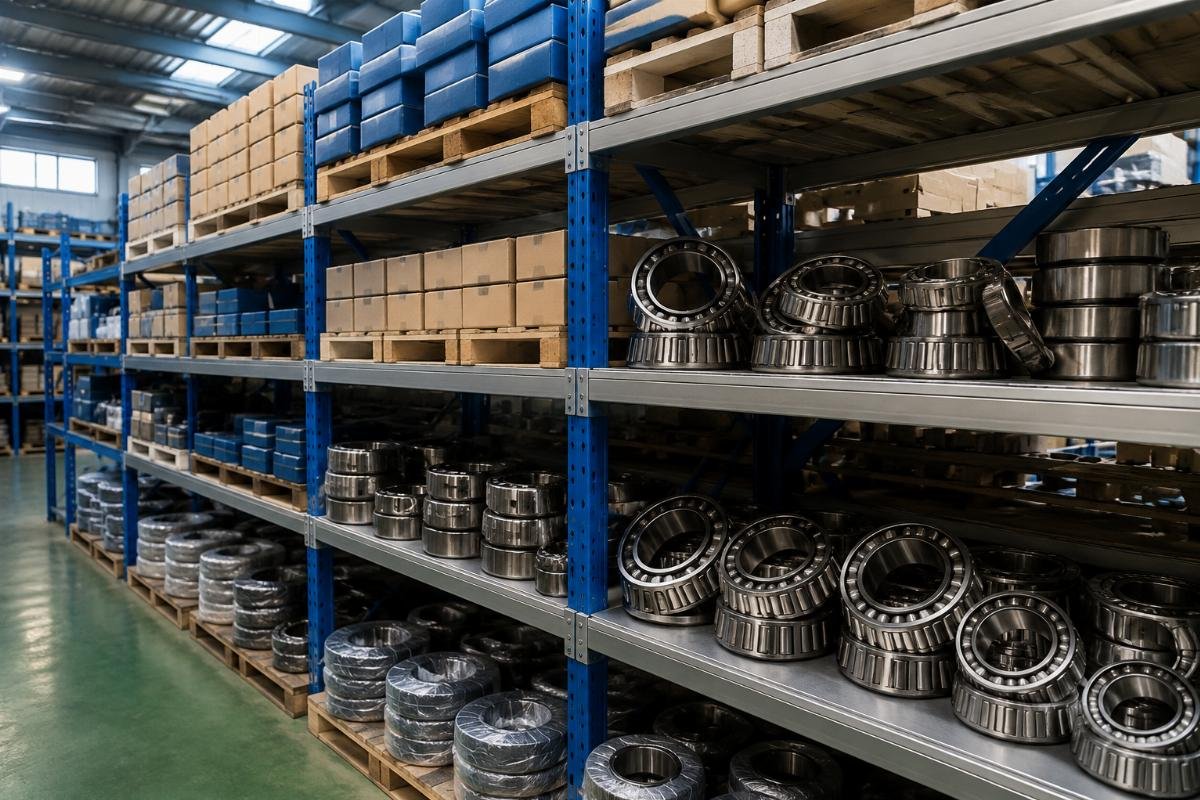
This guide breaks down the actionable criteria you can use to vet suppliers, avoid common pitfalls, and build a stable procurement flow that fits your business size and order volume.
What core specifications should you prioritize when selecting truck and bus tapered wheel bearings?
Focus on load rating, series compatibility, and precision grade matching instead of only pursuing brand names to avoid unnecessary cost premiums. Many buyers default to the first part number they recognize from a brand catalog, but mismatched precision grades or underrated load capacities lead to premature failure even when you pay top-tier pricing.
| Evaluation Factor | Common Misstep | Recommended Practice |
|---|---|---|
| Load Rating | Select parts based on brand reputation rather than published 10t/20t/30t load test data | Match load ratings directly to your vehicle’s maximum operating weight and working conditions |
| Bearing Series | Use generic part listings that do not specify 30000/32000/33000 series alignment | Confirm series compatibility with your existing wheel hub assembly before ordering |
| Precision Grade | Assume all low-MOQ parts use lower P4/P2 precision standards | Verify P0/P6/P5 grade alignment with your vehicle’s usage scenario [NEED_CITE: Suppliers with 10,000+ in-stock SKUs maintain identical P0/P6 precision standards for 10-piece MOQ and full container orders] |
A Southeast Asian mining fleet operator recently sourced 850 sets of heavy duty tapered bearings for haul truck wheel hubs, and the parts withstood 1800 hours of continuous operation in high-dust, high-temperature conditions without a single reported failure, outperforming the branded parts they had used previously at 62% lower per-unit cost.
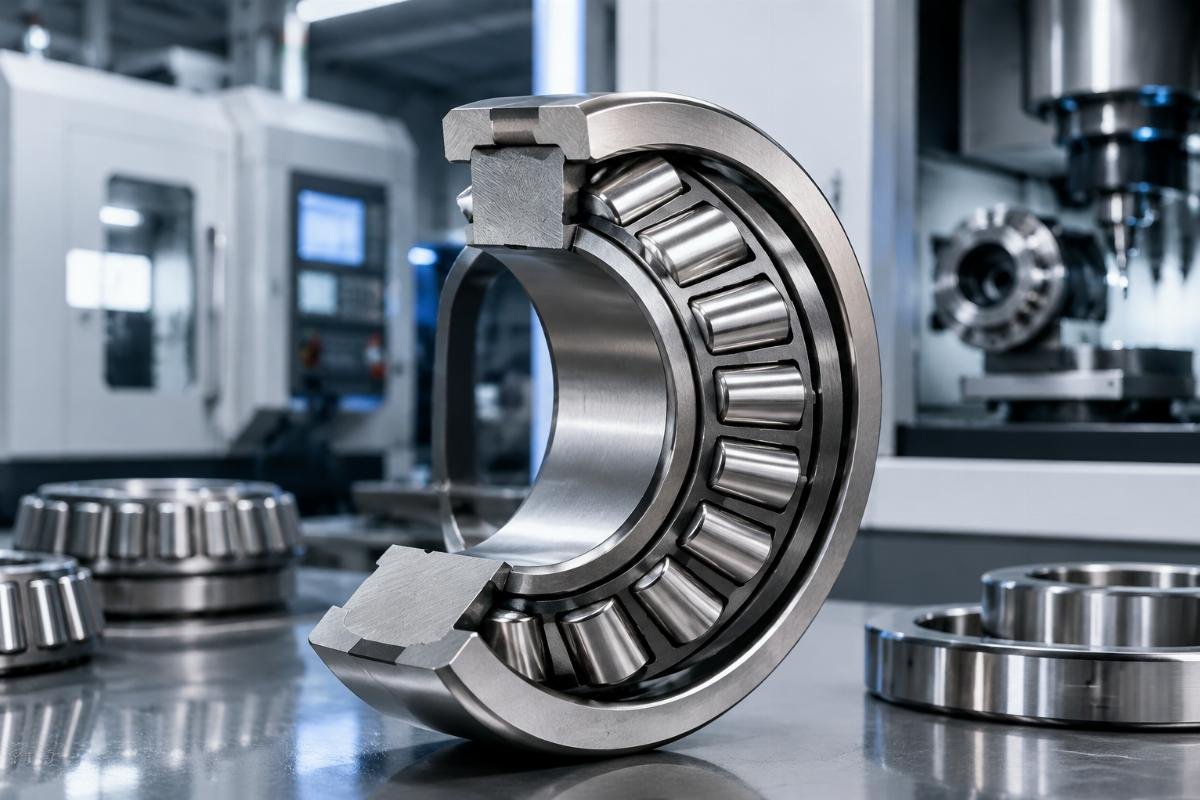
- Load Rating Verification – Request formal load test data for the specific part number you are sourcing, not just general brand performance claims.
- Series Compatibility Check – Cross-reference your existing wheel assembly specifications to confirm 30000/32000/33000 series alignment before placing orders.
- Precision Grade Alignment – Match P0/P6/P5 grades to your use case: standard road fleets use P0, high-speed intercity buses use P6, and specialized heavy equipment uses P5.
How do you avoid supply chain risks when sourcing heavy duty wheel bearings from China?
Verify supplier in-stock SKU volume, manufacturer partnership scale, and after-sales warranty terms to prevent delayed delivery and unqualified quality issues. Supply chain disruptions from delayed shipments or non-conforming parts can leave your own customers waiting for repairs, eroding trust and leading to lost revenue.
| Risk Point | Common Vulnerability | Mitigation Step |
|---|---|---|
| Delivery Delays | Work with small trading companies that have no on-hand inventory, leading to 3+ week lead times for standard parts | Confirm the supplier maintains 10,000+ common SKUs in stock for same-day dispatch [NEED_CITE: Suppliers with 24-hour technical teams can complete cross-reference and dispatch for custom orders within 7 working days] |
| Quality Inconsistency | Accept parts without formal certification or third-party inspection support | Require ISO 9001 certification and access to independent third-party inspection reports for all orders |
| Post-Purchase Support | Choose suppliers that offer no or only 30-day warranty coverage | Lock in warranty terms aligned with part precision grade, ranging from 6 months to 2 years depending on the product |
A North American parts wholesaler ordered 1200 sets of 30000 series tapered wheel bearings last quarter, and the consistent in-stock supply from their new supplier cut their average lead time by 14 days, leading to a 28% faster inventory turnover compared to their previous vendor.
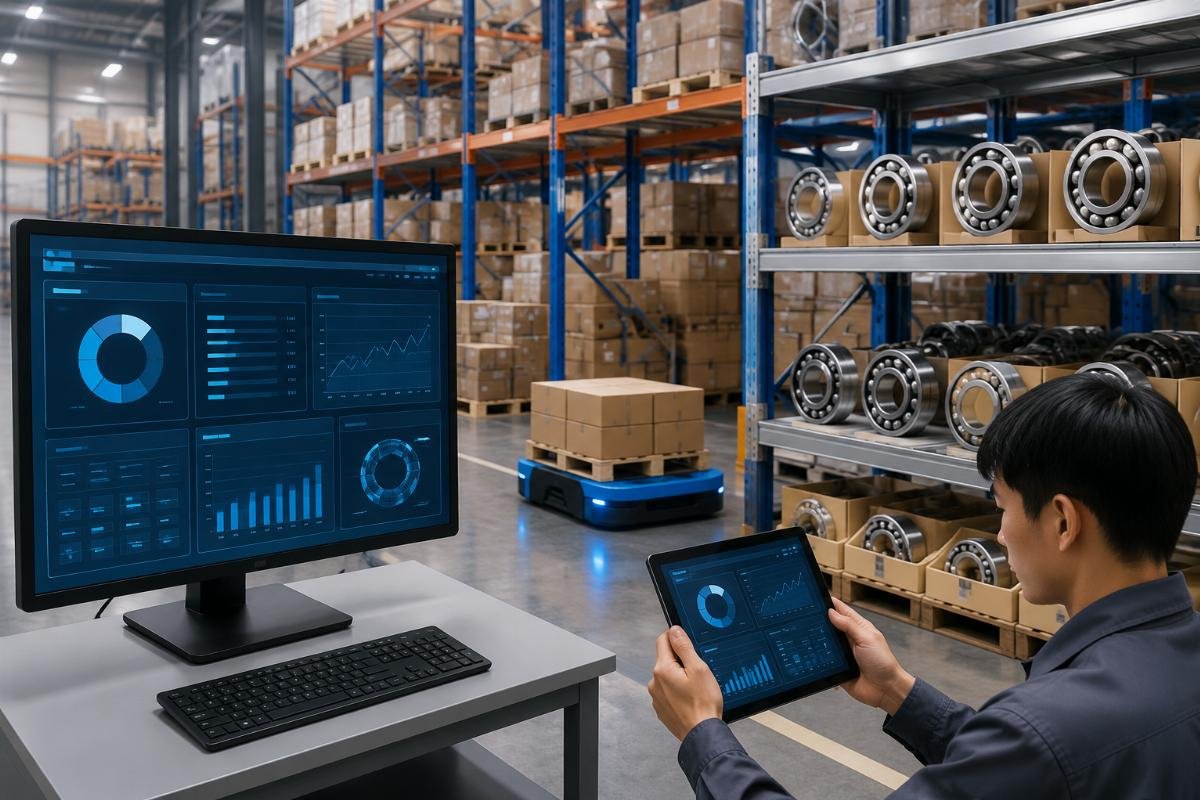
- In-Stock Inventory Confirmation – Request a recent stock list for your most frequently ordered part numbers to verify on-hand availability.
- Manufacturer Partnership Validation – Confirm the supplier has formal partnerships with 30+ vetted Chinese bearing manufacturers to avoid inconsistent quality from unvetted factories.
- Warranty Term Documentation – Get all warranty terms in writing before ordering, with clear terms for replacement or refund for non-conforming parts.
What MOQ and pricing model fits different order sizes for your business?
Tiered MOQ options for stock items and custom orders can meet both small batch urgent demand and bulk container procurement needs. One of the biggest frustrations for buyers is being forced to order thousands of units just to get competitive pricing, or paying exorbitant rates for small, urgent orders from local suppliers.
| Order Size | Common Pricing Pitfall | Optimal Pricing Model |
|---|---|---|
| Small Batch (10–100 units) | Pay 2–3x market rate from local distributors for urgent replacement parts | Use suppliers with 10-piece starting MOQ for stock items at consistent bulk-aligned pricing |
| Medium Batch (100–1000 units) | Lock in unfavorable terms that penalize incremental order volumes | Use tiered pricing structures that reduce per-unit cost as order volume increases |
| Bulk Container (1000+ units) | Pay hidden fees for consolidation and handling that erode cost savings | Use suppliers with dedicated sea freight consolidation services for bulk orders |
A Middle East bulk bearing reseller recently placed a full container order for 12000 units of common SKU tapered wheel bearings, and the tiered bulk pricing model saved them 37% on total order cost compared to their previous supplier, with additional support for private label customization on all units.
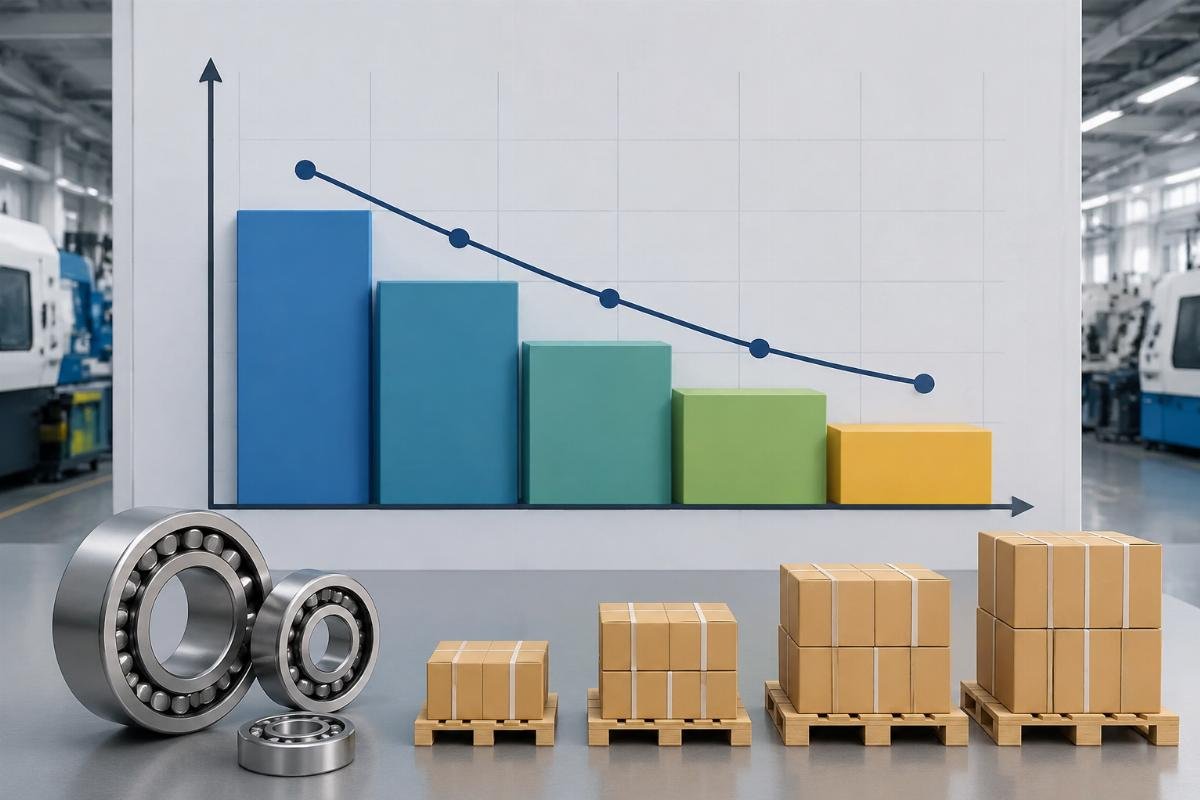
- MOQ Alignment – Confirm the supplier offers 10-piece MOQ for stock items and 100-piece MOQ for custom parts to match your order flow.
- Delivery Cost Calculation – Compare total landed cost including shipping for both express and sea freight options to find the lowest total cost for your order size.
- Volume Discount Lock-In – Negotiate long-term volume discount terms for your highest-turnover SKUs to stabilize pricing across quarters.
How to quickly match equivalent SKUs for existing OEM part numbers?
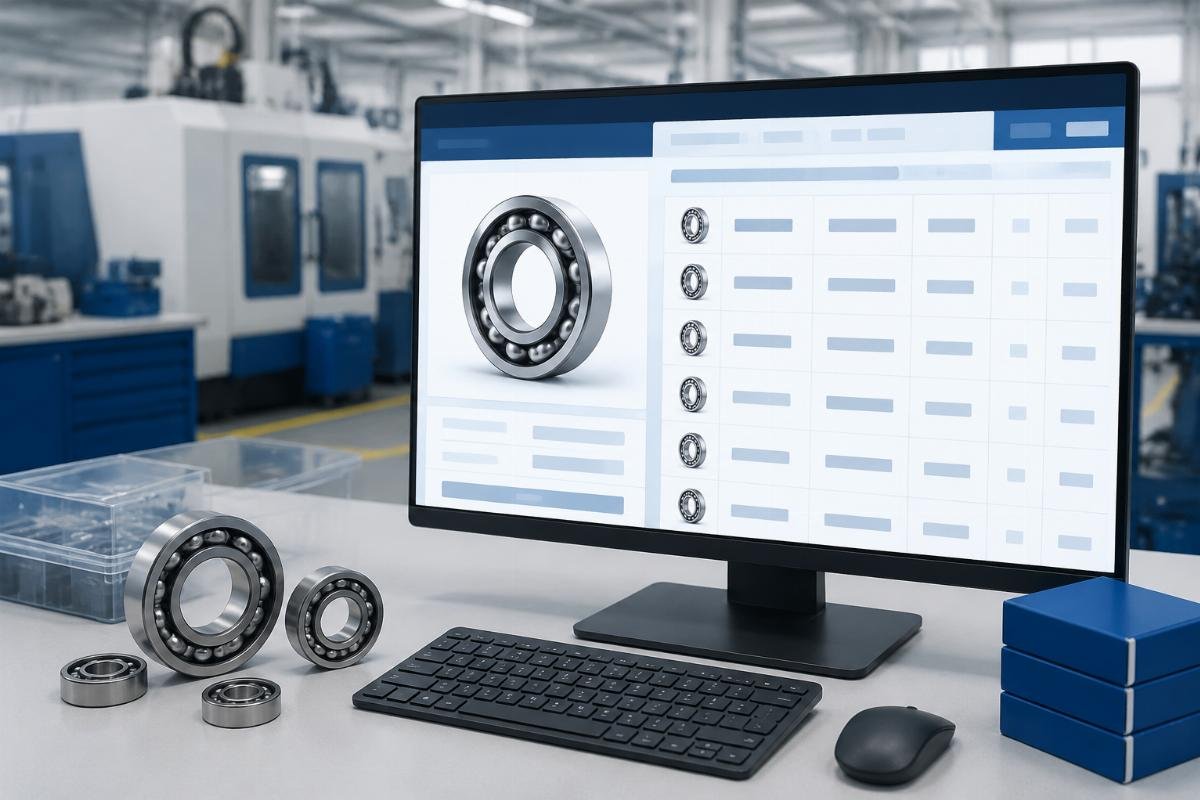
Suppliers with full cross-reference capabilities for all major OEM brands can eliminate the time cost of manual part number matching. Most buyers spend 5–10 hours per order cross-referencing part numbers across SKF, NSK, FAG, and TIMKEN catalogs to find compatible alternatives, which adds unnecessary labor cost to every procurement cycle.
Part number matching errors are one of the top causes of incorrect parts arriving at your warehouse, leading to costly returns and delayed order fulfillment for your own customers. Suppliers with pre-built cross-reference libraries for all leading OEM brands can cut this matching time from hours to minutes, while eliminating the risk of human error from manual lookup. Shandong Simon Bearing has cross-reference capabilities for all major OEM brands, 10000+ common in-stock SKUs, and one-stop supply services covering 80+ countries to streamline this process for buyers.
- Cross-Reference Capability Verification – Confirm the supplier has pre-built matching tables for all leading OEM brands relevant to your market.
- Match Confirmation Check – Ask the supplier to provide a compatibility confirmation for your part number before you finalize the order.


Leave a Reply