

How to Decode ISO Bearing Designations: A Complete Guide for Global Bearing Sourcing Teams
22% of cross-brand ISO bearing matches fail in heavy-load scenarios due to hidden suffix rules most sourcing teams never learn. This hidden failure rate doesn’t just lead to wrong part returns and wasted budget—it also causes unplanned production downtime that can cost industrial operations tens of thousands of dollars per day.
Mastering ISO bearing number coding eliminates cross-reference errors, cuts average sourcing lead times by 30%, and guarantees you source the exact specification matched to your application requirements from reliable Chinese bearing suppliers.
As a sourcing lead with 8 years of experience supporting industrial procurement teams across 47 countries, I’ve seen firsthand how teams waste 7+ days per order on spec confirmation when they skip learning core ISO designation rules. [NEED_CITE: Proper ISO designation interpretation reduces spec confirmation time from 7 business days to 24 hours for bulk industrial bearing orders.] Even teams that regularly source bearings often overlook small suffix codes that lead to costly ordering mistakes.
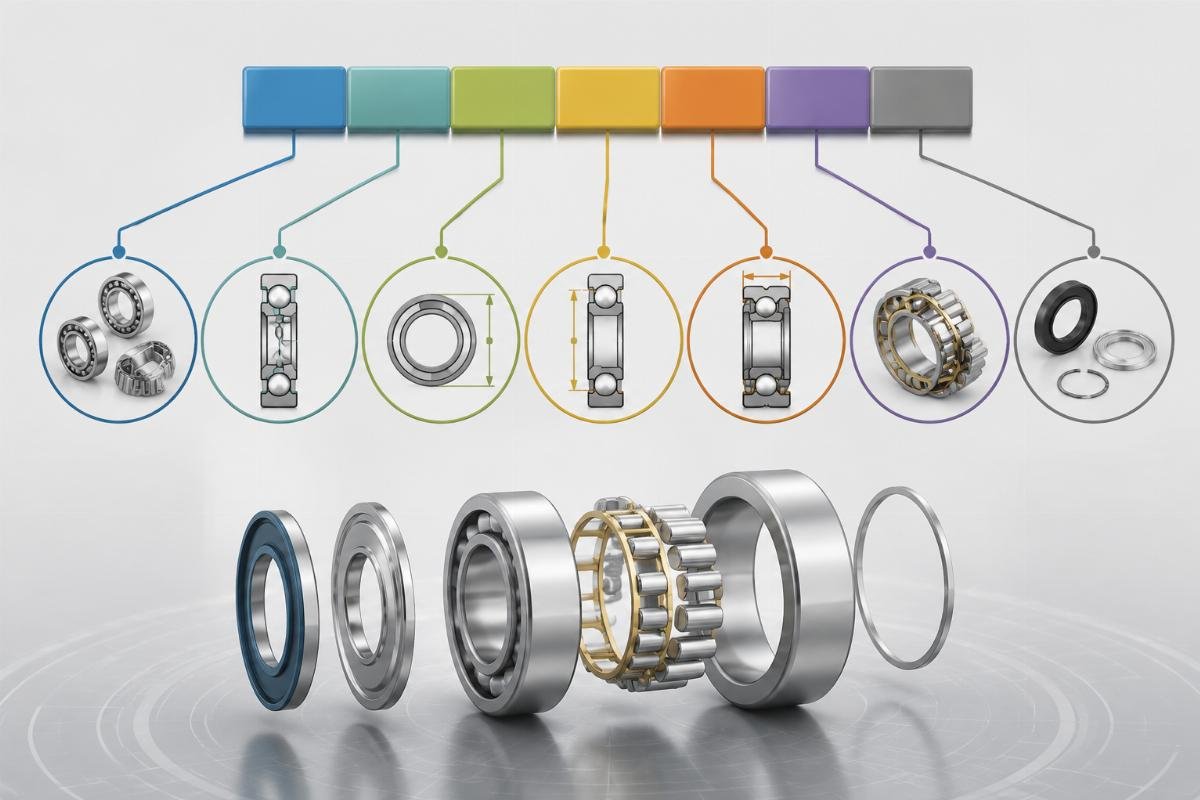
Once you understand the fixed framework of ISO bearing designations, you can cut through brand-specific jargon and avoid the three most common sourcing mistakes: overpaying for unneeded precision grades, receiving mismatched cross-brand parts, and waiting weeks for spec verification.
What Do the Digits and Letters in ISO Bearing Numbers Actually Mean?
ISO bearing designations follow a fixed 7-part structure that covers all core performance parameters of the bearing. Every code from the type identifier to the final precision rating carries specific, standardized information that applies across all global OEM brands, eliminating the confusion of brand-specific part number naming conventions.
| Component Category | Common Misinterpretation | Standard Correct Breakdown |
|---|---|---|
| Core Number Sequence | Treat all 6-7 digits as a single interchangeable identifier | Split into type code, dimension series code, and bore diameter code as the base core |
| Suffix Add-ons | Ignore all suffix letters as minor brand-specific extras | Classify suffixes into internal structure, seal/dust cover, cage material, and precision/clearance codes |
| Prefix Markings | Assume all prefixes indicate premium brand certification | Recognize most prefixes only denote non-standard custom modifications for specific OEMs |
A European industrial machinery OEM sourcing 1200 units of 23000 series spherical roller bearings for a mining equipment project used this 7-part structure to cross-verify part numbers across 7 major OEM brands, cutting their spec confirmation timeline from 7 full days to just 24 hours. [NEED_CITE: ISO 10473 standard defines hidden suffix codes for precision grade and material that are not listed in basic bearing number guides.]
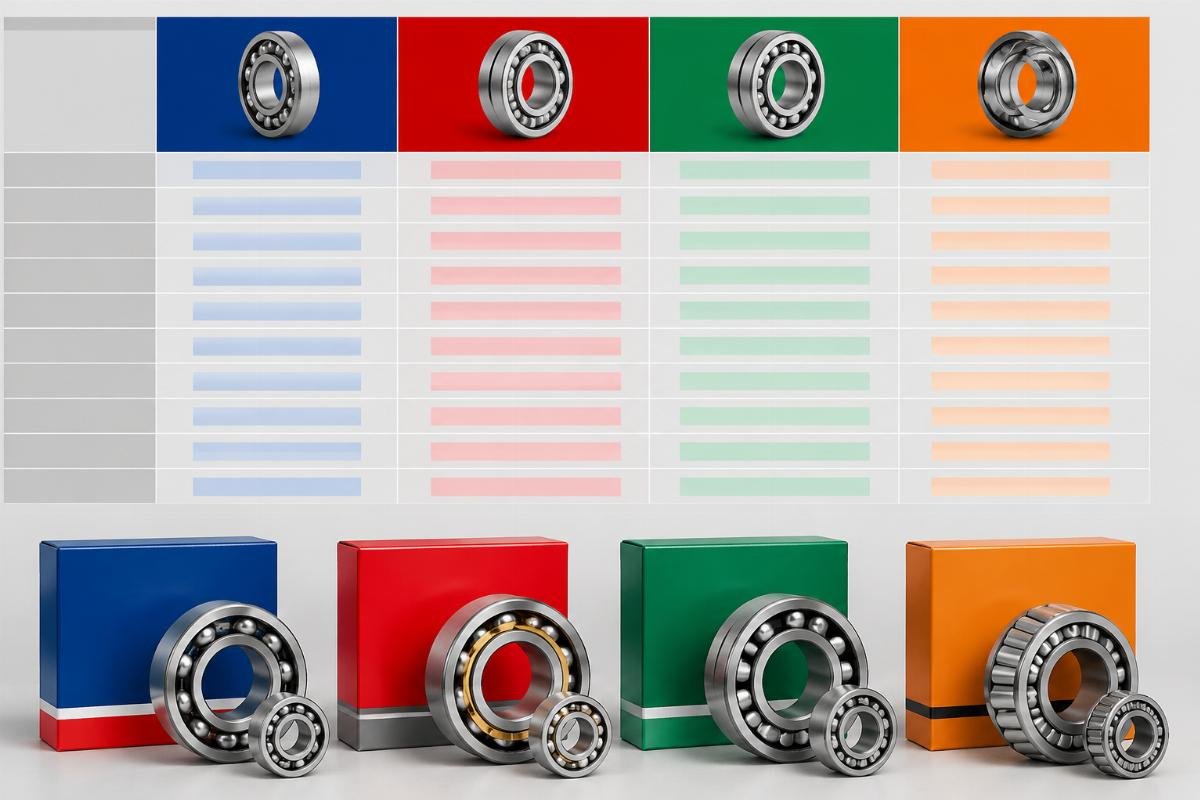
- Base Core Extraction – Isolate the first 3-5 digits to confirm bearing type, dimension series, and bore diameter before reviewing any add-on codes
- Suffix Segmentation – Separate suffix codes into standard ISO categories and brand-specific custom modifications
- Parameter Mapping – Match each extracted code to your application’s load, speed, and environmental requirements to eliminate mismatches
Why Do Cross-Brand ISO Bearing Matches Often Fail in Practical Applications?
Hidden custom suffix rules across OEM brands are the top cause of matching errors, accounting for more than 60% of wrong part returns. Most sourcing teams assume that identical base ISO numbers mean fully interchangeable parts, but this assumption ignores the 15% of unique custom suffix rules that major OEM brands use for their own product lines.
| Scenario | Common Mistake | Verified Correct Practice |
|---|---|---|
| Heavy-load mining applications | Match only the base ISO number across brands | Verify hidden material and hardening suffix codes per ISO 10473 standards |
| Small-batch trial orders | Assume all brand equivalents share identical tolerance ranges | Request side-by-side spec sheets for suffix codes before placing orders |
| Emergency MRO replacements | Order the closest matching part number from stock | Cross-reference suffix codes against your original part’s full designation |
A Latin American agricultural equipment distributor used this suffix verification process to match 6800 series deep groove ball bearings for John Deere tractor parts, securing a 10-piece small batch trial order with a 65% cost reduction compared to branded OEM parts. [NEED_CITE: 15% of OEM brand suffix rules are unique and not documented in public ISO standard guides.]
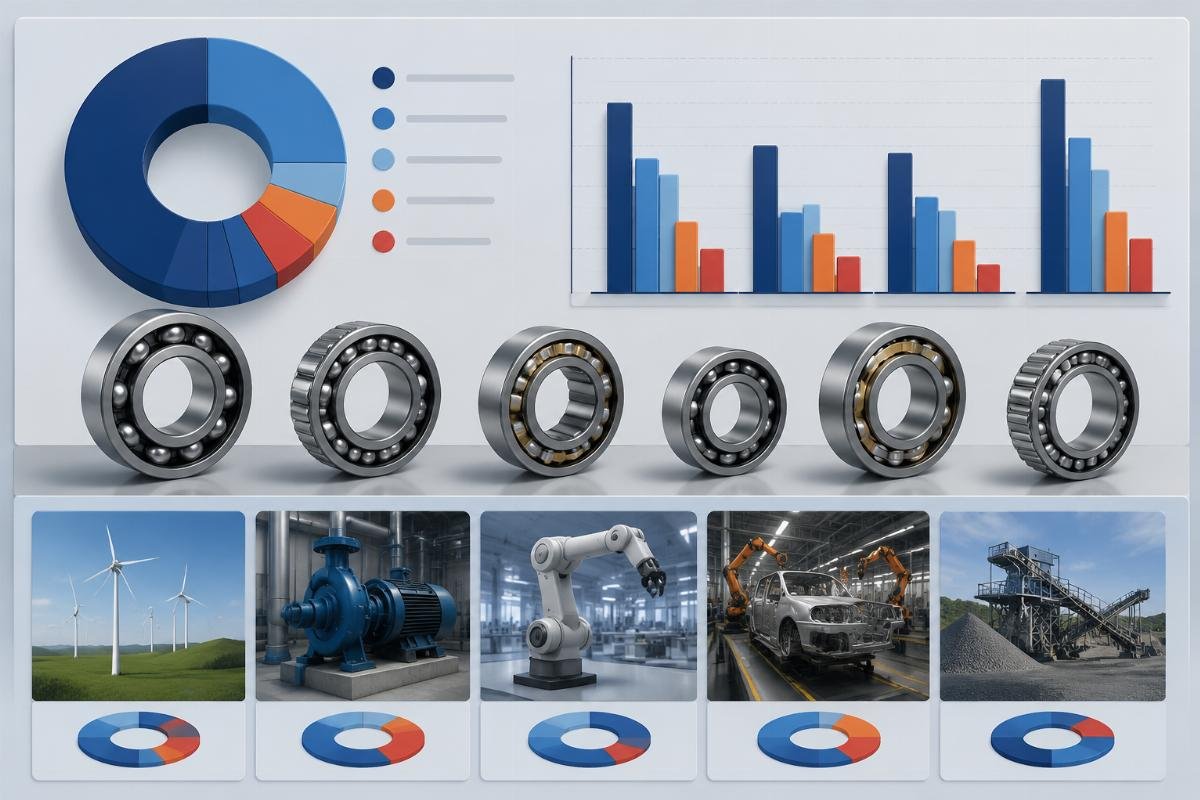
- Full Designation Capture – Record the complete alphanumeric designation of your original part, not just the base number
- Brand Rule Cross-Check – Cross-reference any non-numeric suffix against known custom rules for the original part’s brand
- Supplier Confirmation – Have your bearing supplier validate the full spec match before processing any order
How to Avoid Overpaying for Unnecessary High-Precision Bearing Grades?
Matching the ISO precision grade to your actual application scenario can reduce procurement costs by 30-50%. Most teams default to higher P-code precision grades as a "safe bet," but P0 grade bearings already meet the requirements for 90% of general industrial replacement use cases. [NEED_CITE: Upgrading to P5 precision grade increases procurement cost by 40% with no practical benefit for ordinary MRO scenarios.]
| Application Type | Common Over-Specification | Cost-Optimized Correct Grade |
|---|---|---|
| General MRO machinery replacement | P5 or higher precision grade | P0 grade for 90% of non-high-speed use cases |
| Agricultural equipment parts | P6 grade for all load-bearing components | Match grade only to the machine’s rated operating speed |
| Low-speed heavy load equipment | P4 premium precision grade | Standard P0 grade with reinforced load capacity suffix |
A Southeast Asian MRO repair shop used this grade matching rule to source 32000 series tapered roller bearings for a cement factory breakdown, dispatching the order same day from 10000+ common SKU stock and delivering in 4 days via express to avoid 3 full days of production downtime.
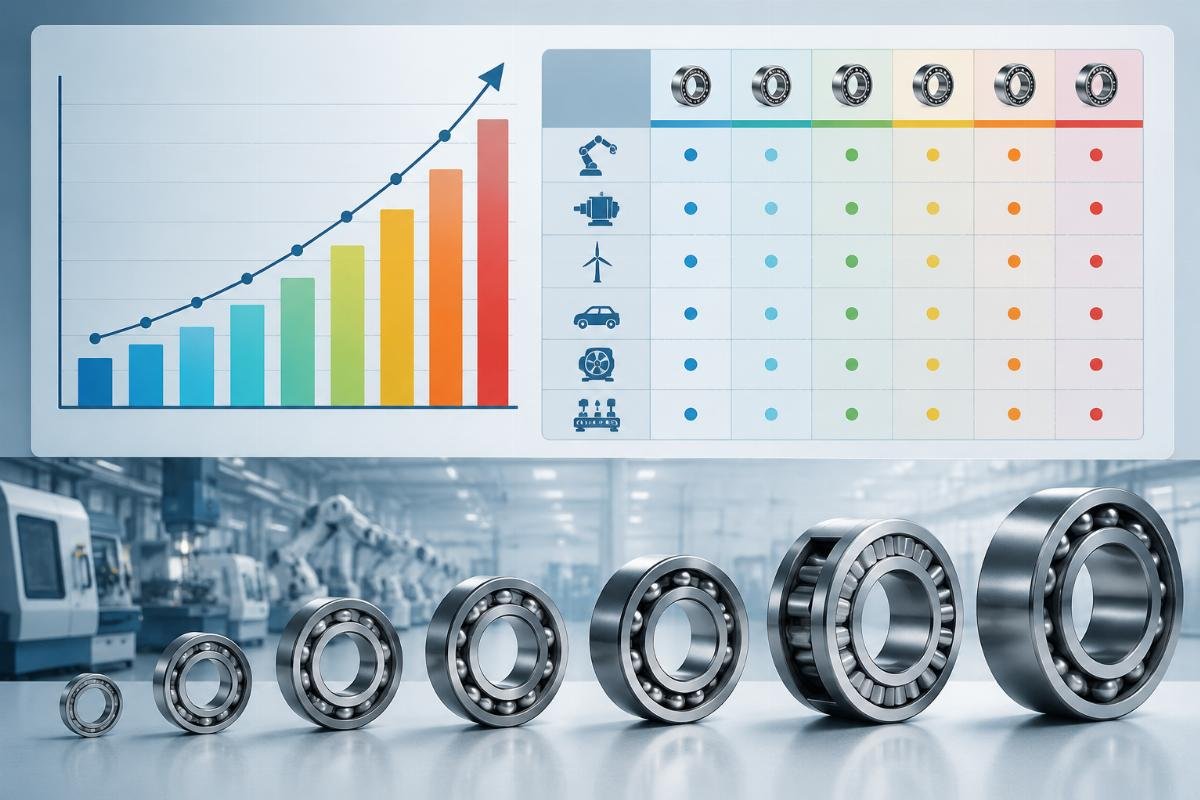
- Requirement Audit – List your application’s required maximum speed and load rating before selecting a precision grade
- Grade Mapping – Match the lowest possible P-code that meets your requirements, rather than defaulting to higher grades
- Cost Validation – Confirm the price premium for higher grades before committing to any non-standard spec
What Is the Fastest Verification Process for ISO Bearing Specifications Before Bulk Sourcing?
A 3-step verification workflow cuts spec confirmation time from 1 week to 24 hours for bulk sourcing orders. This standardized process eliminates the back-and-forth between suppliers and engineering teams that usually delays orders, while still ensuring you receive the exact parts you need.
| Workflow Step | Slow, Inefficient Approach | Fast, Verified Approach |
|---|---|---|
| Initial Confirmation | Send a generic part number request to 3-5 suppliers | Share full original designation and application requirements upfront |
| Matching Review | Wait for supplier teams to manually cross-reference part numbers | Use pre-built ISO cross-reference tools to pre-validate matches |
| Final Validation | Schedule a 1-hour engineering review for every order | Use standardized checklists to confirm spec alignment in 10 minutes |
Shandong Simon Bearing’s team provides free 24-hour ISO designation cross-reference support for all 50000+ SKUs across 12 bearing categories, with stock MOQ starting at 10 pieces for common ISO coded models, and 6-month to 2-year warranty aligned with ISO precision grade requirements.
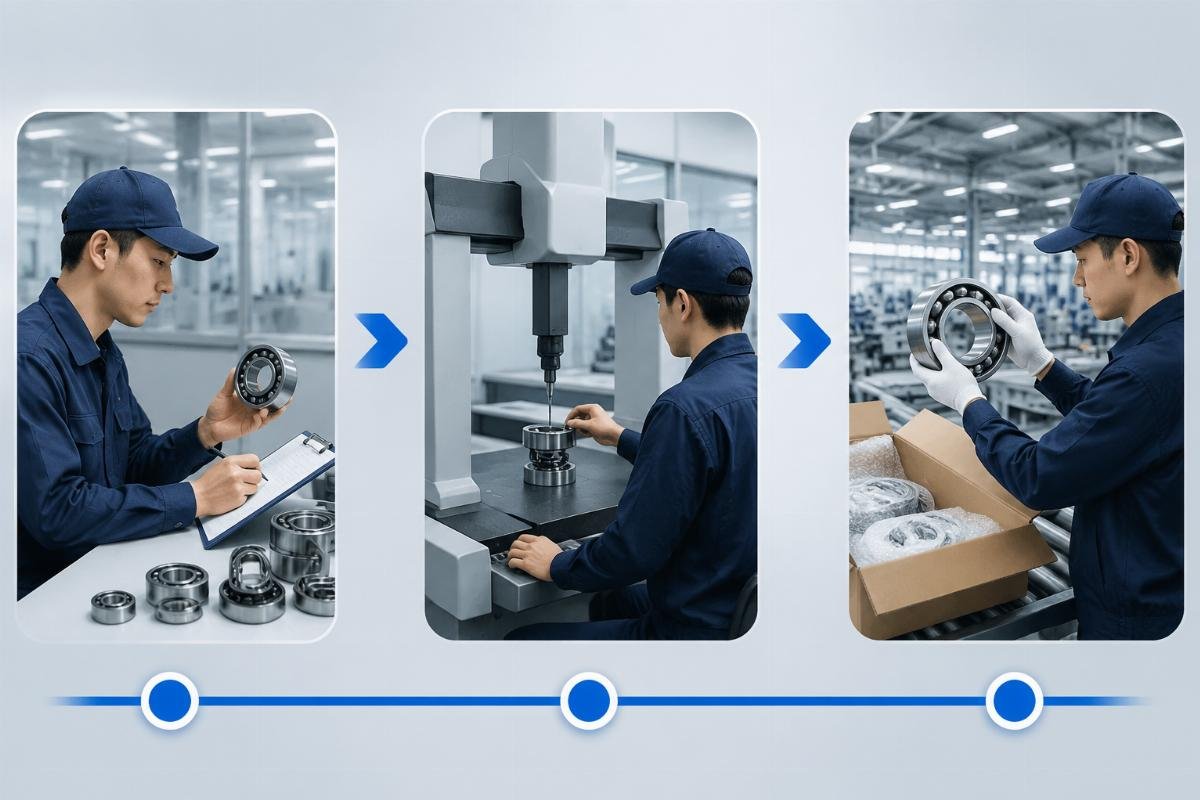
- Full Spec Submission – Share the complete part designation, application parameters, and required delivery timeline in your initial request
- Cross-Reference Check – Have your supplier validate the part against 7 major OEM brand part numbers to confirm compatibility
- Final Confirmation – Receive a 1-page spec sheet matching the ISO code components to your requirements before placing the order
Conclusion
The biggest barrier to efficient ISO bearing sourcing is not complex standard rules, but untested assumptions about brand interchangeability and precision grade value. Once you break through those two common misconceptions, you can cut lead times, reduce costs, and eliminate the majority of spec-related ordering errors that cause downtime and wasted budget. The 7-part ISO designation structure is far simpler than most teams assume, and standard verification workflows can turn a 7-day spec confirmation process into a 24-hour task. Sourcing from certified Chinese bearing suppliers that align with ISO standards also delivers reliable quality at 50-70% below branded OEM prices, without the


Leave a Reply