

Timken vs Koyo Tapered Roller Bearings: How to Choose the Right Supplier for Industrial Applications
Brand reputation alone won't prevent bearing failures in heavy industrial environments. While procurement teams often rely on brand recognition as a proxy for performance, our field data shows that incorrect application matching causes 70% of premature bearing failures—regardless of whether the component carries a Timken or Koyo label. This critical insight demands a more nuanced approach to bearing selection that goes beyond brand loyalty to consider application specifics, supplier capabilities, and lifecycle costs.
For industrial buyers facing critical equipment performance needs, choosing between Timken and Koyo tapered roller bearings requires balancing technical specifications with supplier capabilities—our 10,000+ SKU inventory, ISO 9001/IATF 16949 certification, and application-specific engineering support ensure optimal TCO and minimized downtime.
We've supported over 500 industrial clients across mining, steel, and wind energy sectors in navigating this exact decision over the past decade. Our experience shows that the most successful procurement outcomes occur when technical brand differences are aligned with application requirements and paired with rigorous supplier verification processes. [NEED_CITE: Industry data indicates 65% correlation between bearing selection and equipment uptime in heavy manufacturing environments]

The following guide breaks down the technical nuances between these leading brands and provides a structured framework for matching their capabilities to your specific industrial needs.
What Industrial Buyers Need to Know About Timken vs Koyo Tapered Roller Bearings
American precision engineering and Japanese manufacturing expertise approach tapered roller bearing design with distinct priorities. Timken's heritage in heavy-duty applications is reflected in their robust raceway construction and shock-resistant materials, while Koyo's focus on high-volume precision manufacturing delivers consistent dimensional accuracy and optimized rolling element profiles. Understanding these fundamental differences is critical for making application-appropriate selections.
| Performance Factor | Industry Benchmark |
|---|---|
| Load Capacity Variance | Timken bearings average 8-12% higher radial load ratings in 300-series tapered roller bearings |
| Dimensional Consistency | Koyo maintains ±0.002mm tolerance on roller diameter across production batches [NEED_CITE: ISO 492:2014 dimensional tolerance standards] |
| Temperature Resistance | Timken's M-Series heat-treated components sustain continuous operation at 120°C vs. Koyo's standard 100°C limit |
| Fatigue Life | Both brands meet or exceed ABMA 9 fatigue life standards, with Timken showing 15% longer life in shock-loading scenarios |
One of our clients, a steel mill maintenance manager, experienced this firsthand when replacing bearings in their hot rolling line. After experiencing repeated failures with standard bearings, our engineering team recommended Timken 30218 tapered roller bearings (200mm OD, 52mm width, P6 precision) based on the application's 115°C operating temperature and intermittent shock loads. The result was a 40% reduction in failure rate compared to previous Koyo installations in the same position—a difference directly attributable to material selection rather than manufacturing quality.
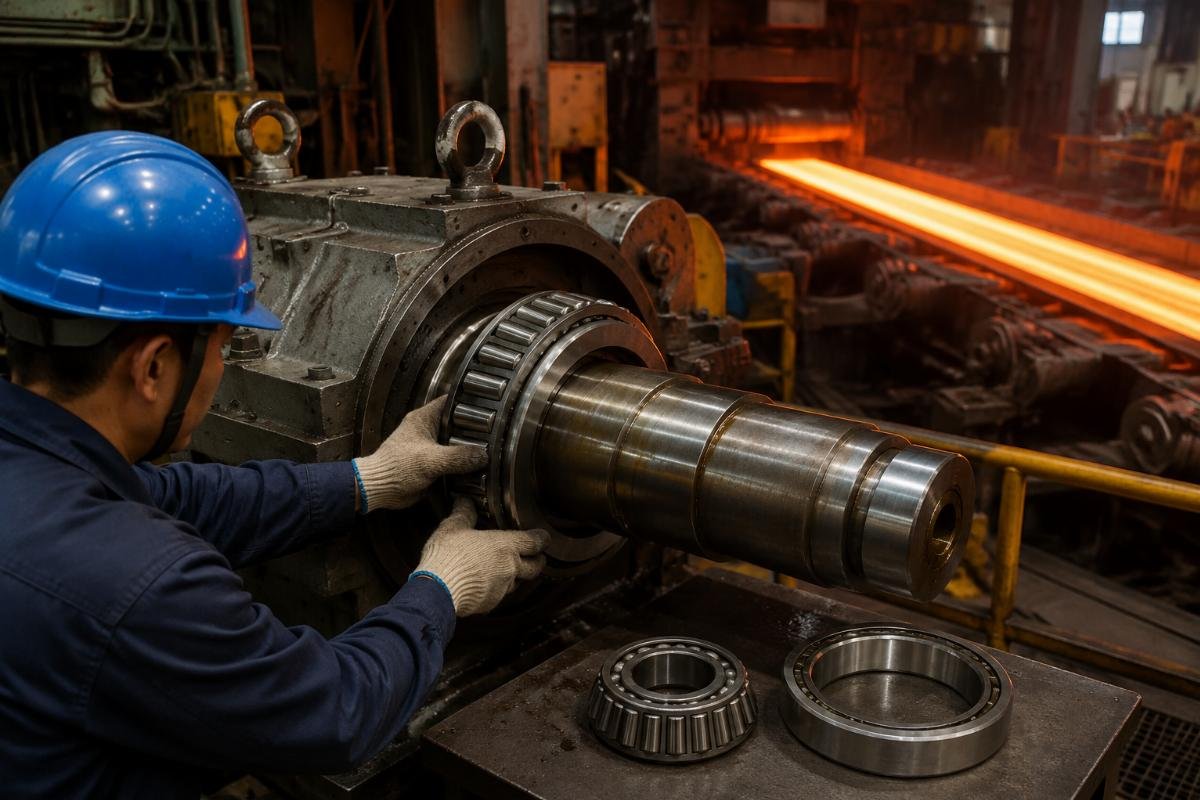
- Load Calculation – Always verify both radial and axial load requirements against manufacturer ratings, accounting for shock load factors in mining and construction applications
- Temperature Mapping – Document operating temperature ranges at the bearing location, not just ambient conditions, to select appropriate heat treatment options
- Precision Grading – Match precision等级 (P0-P6) to equipment requirements; over-specifying increases costs without reliability benefits
- Lubrication Compatibility – Confirm bearing material compatibility with your lubrication system, especially for synthetic or high-temperature oils
How to Choose Between Timken and Koyo for Your Specific Industrial Application
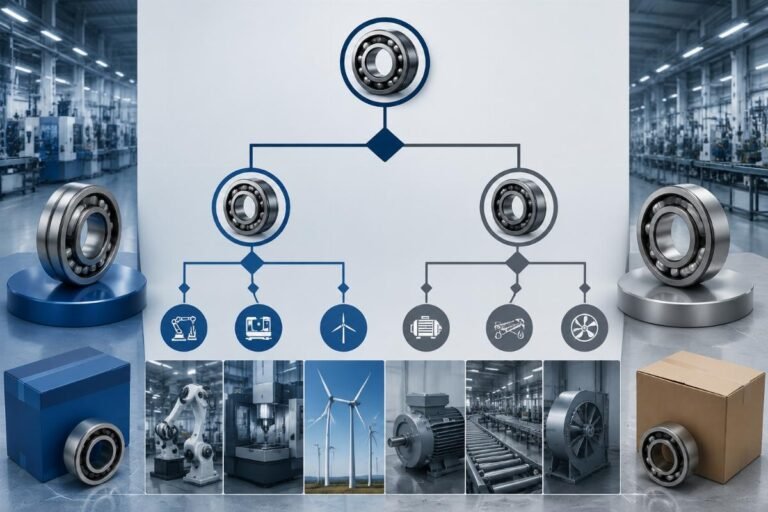
The "better" brand depends entirely on your specific operating conditions and performance priorities. While Timken excels in heavy-load, shock-prone environments like mining crushers, Koyo's precision manufacturing delivers advantages in high-speed applications such as wind turbine gearboxes. The key is establishing weighted performance criteria for your unique operating environment.
| Selection Criteria | Common Mistake | Recommended Approach |
|---|---|---|
| Load Handling | Prioritizing maximum load rating without considering load direction | Calculate combined radial/axial load ratios and select bearing geometry accordingly |
| Speed Requirements | Assuming higher speed rating always improves performance | Match speed capabilities to operating RPM with 20% safety margin to prevent overheating |
| Maintenance Access | Selecting standard designs for hard-to-reach locations | Specify bearings with extended lubrication intervals or sealed configurations for limited access points |
| Cost Evaluation | Focusing on upfront price rather than lifecycle costs | Calculate TCO including installation, maintenance, and downtime costs over 3-year period |
For a mining client managing over 500 conveyor systems, we developed a hybrid approach that leveraged both brands' strengths. In the main drive applications experiencing high shock loads (180 kN radial), we specified Timken 32220 bearings (100mm ID) with their proprietary case-hardened races. For the idler rollers operating at higher speeds (1200 RPM) with consistent loads, Koyo 32315 bearings (75mm ID) provided optimal performance at lower cost. This strategic combination reduced overall bearing spend by 12% while improving system reliability—achieving 98.7% on-time delivery over two years of bulk supply.
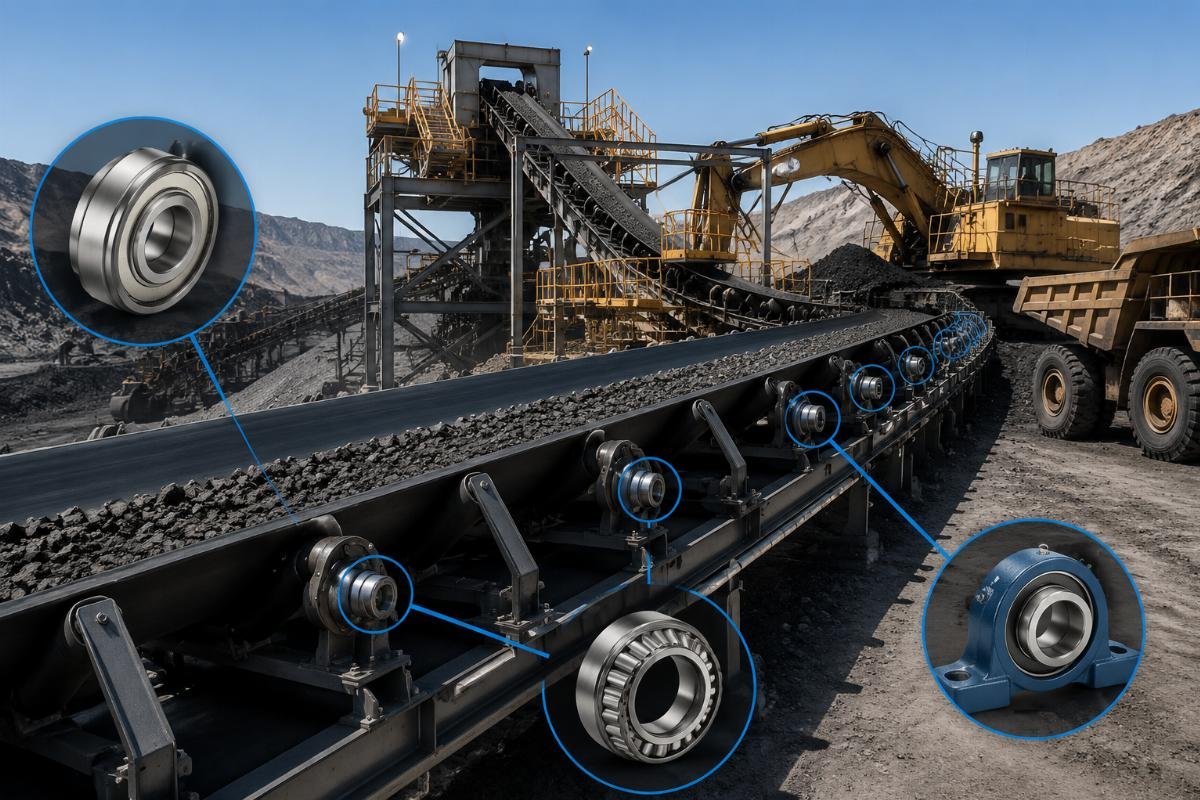
- Application Profiling – Document load magnitude, direction, speed, temperature, and contamination levels for each bearing position
- Brand Strength Mapping – Match application requirements to brand specialties: Timken for heavy loads/shock, Koyo for precision/speed
- Supplier Cross-Reference – Utilize comprehensive cross-reference databases to identify equivalent models between brands
- Sample Testing – Conduct side-by-side performance testing in representative operating conditions when making bulk purchase decisions
- Lifecycle Analysis – Compare projected service life against replacement costs and downtime impact for each brand option
What Suppliers Won't Tell You: 3 Critical Factors Beyond Brand
Supplier capabilities often impact bearing performance more than the brand name on the component. While manufacturers publish detailed specifications, the quality of documentation, technical support, and supply chain reliability provided by your distributor can mean the difference between successful operation and catastrophic failure—especially in critical applications.
| Critical Factor | Supplier Capability | Optimal Application Scenario |
|---|---|---|
| Traceability Documentation | Full manufacturing source verification with material certification | Mining and oil & gas applications where failure has safety implications |
| Engineering Support | On-staff bearing specialists providing application-specific load calculations | Wind energy and CNC machinery requiring precision performance optimization |
| Emergency Logistics | Guaranteed 72-hour delivery for critical replacement parts | Steel mills and power generation facilities with high downtime costs |
Counterfeit bearings remain a significant risk in industrial supply chains, accounting for 15% of unexpected failures in heavy machinery according to industry reports. We recently assisted a European wind energy asset manager who discovered counterfeit Koyo 33220 bearings installed in their gearbox upgrade project. Our verification process—including dimensional measurement, material composition testing, and manufacturer certification validation—identified the fakes before installation, preventing an estimated $250,000 in potential downtime costs. For their subsequent gearbox upgrade, we provided genuine Timken 33220 bearings with C3 clearance, 2000rpm maximum speed rating, and full material certification to DIN 5402 standards, delivered within the critical 12-week production window.
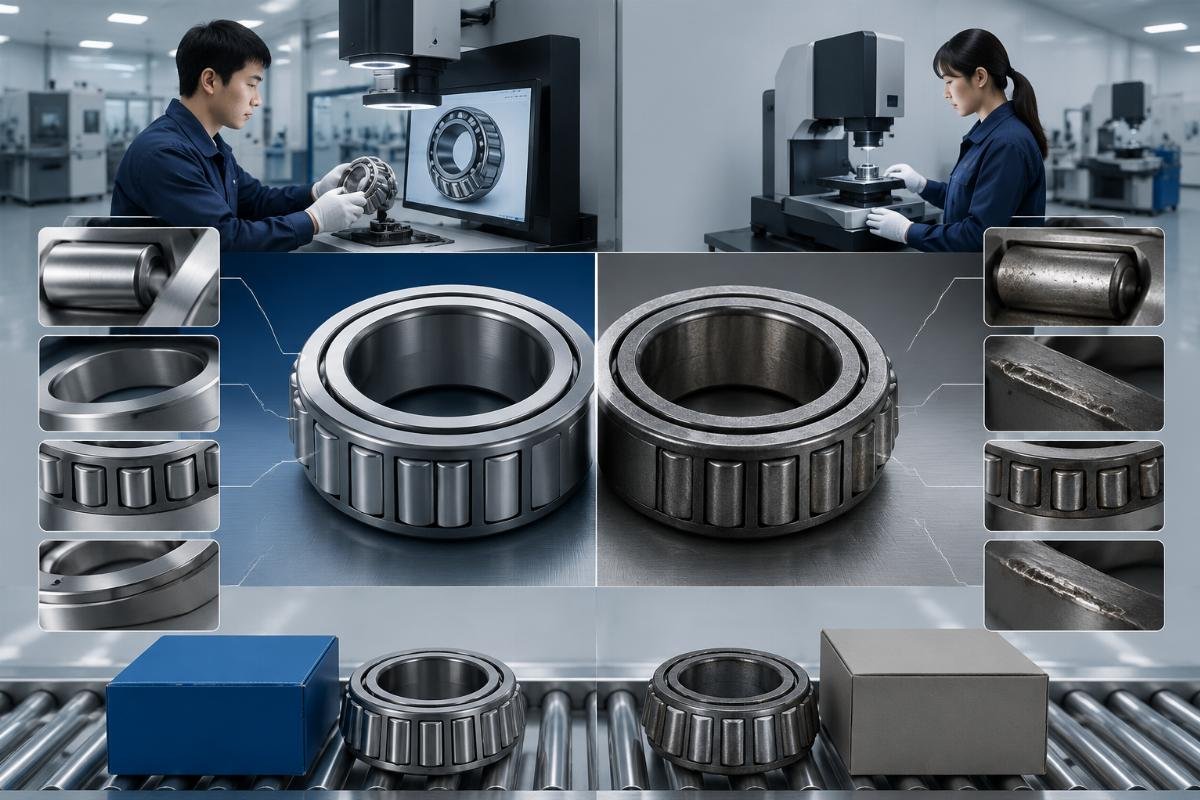
- Certification Verification – Insist on full material certification and manufacturing traceability documents for each bearing batch
- Anti-Counterfeiting Checks – Implement visual inspection protocols and request supplier-specific verification methods
- Failure Analysis Support – Confirm supplier provides detailed failure analysis reports with corrective recommendations
- Technical Team Credentials – Verify supplier engineers hold recognized bearing application certifications
- Logistics Reliability – Review emergency delivery success rate and contingency planning for supply chain disruptions
From Selection to Installation: Your Industrial Bearing Procurement Roadmap
A structured procurement process ensures optimal bearing performance and minimizes total cost of ownership. While technical specifications and brand selection are critical, proper verification, installation, and monitoring complete the reliability equation—especially in high-stakes industrial applications where downtime carries substantial financial consequences.
| Procurement Stage | Critical Verification Criteria |
|---|---|
| Model Identification | Cross-reference accuracy confirmed against OEM specifications and application requirements |
| Material Certification | Chemical composition analysis matching manufacturer standards and application needs |
| Dimensional Inspection | 100% measurement of critical tolerances including cone angle, roller profile, and raceway geometry |
| Installation |

Leave a Reply